Neurological physiotherapy after stroke is one of the most effective things that can support recovery — and if you’re reading this because you or someone you love has recently had a stroke, that’s exactly what this guide will help you understand.
A stroke changes things quickly, often without warning. One day everything is normal. The next, a family is learning words like “hemiparesis” and “neuroplasticity,” while just trying to get through the hospital corridors to visiting hours. Maybe you’re reading this because you or someone you love has recently had a stroke. If so, we want to start with this: feeling overwhelmed, uncertain, even frightened about recovery is completely normal. Physiotherapy is one of the most effective things that can help from here..
Why Neurological Physiotherapy After Stroke Matters So Much?
A stroke interrupts blood flow to part of the brain. Depending on where that happens, it can affect movement, balance, coordination, or everyday tasks like walking, dressing, or picking up a cup. Here’s the encouraging part: the brain can genuinely adapt. Doctors call this neuroplasticity. Structured, repetitive movement practice is one of the main ways that adaptation happens. In plain terms, that’s what neurological physiotherapy focuses on.
It isn’t just about “getting stronger.” Stroke affects movement patterns very differently from, say, a sports injury. A neurological physiotherapist trains specifically to understand that difference. The approach, the pacing, the techniques — all of it looks different from general physiotherapy. That’s why this counts as its own specialism.
When should physiotherapy start?
Generally, earlier is better. Many stroke units begin gentle rehabilitation within days, often while you’re still in hospital. Once you’re home, though, that early momentum can stall. Follow-up NHS neuro physiotherapy often has a waiting list, and that’s true here in Surrey too. This gap — between leaving hospital and getting consistent, ongoing rehabilitation — is exactly where private neurological physiotherapy tends to help most. It simply keeps recovery moving during a period that matters a great deal.
What a session actually looks like:
There’s no single answer here, because it depends entirely on what’s been affected. A session might involve:
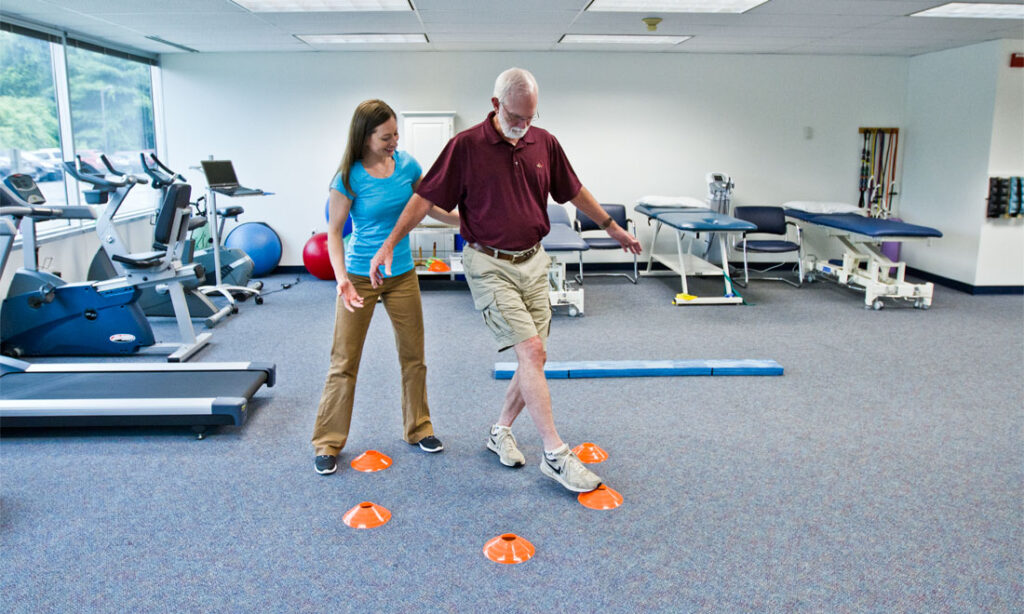
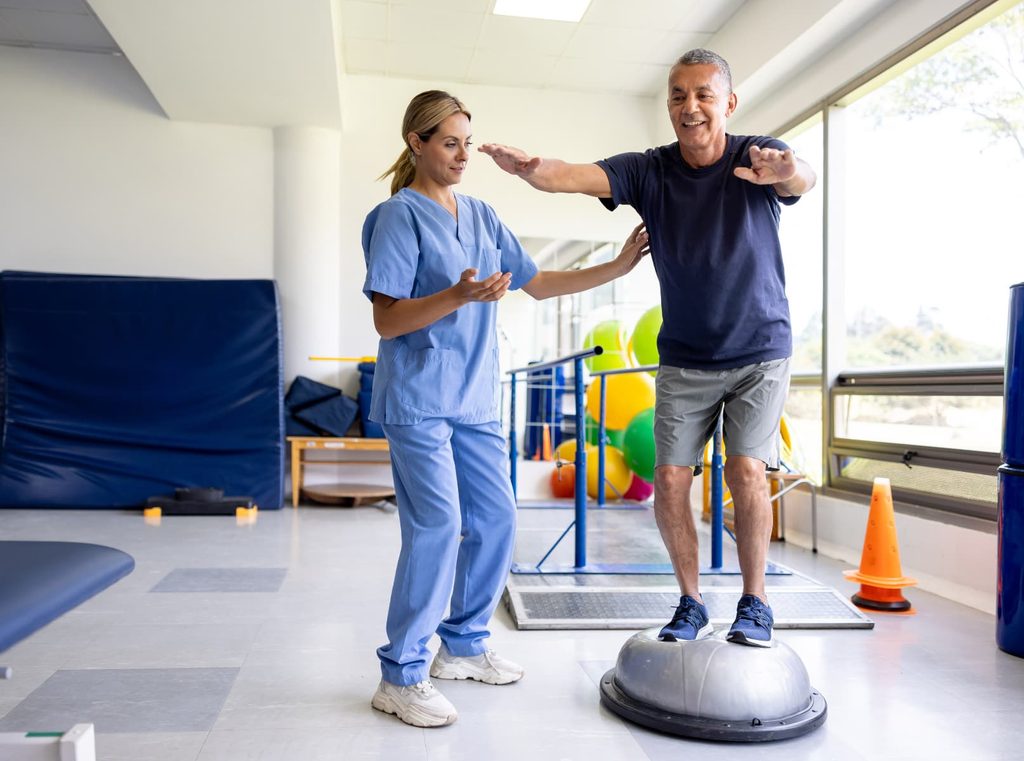
- Re-learning specific movement patterns, like standing up from a chair safely or walking with better balance
- Hands-on techniques to ease stiffness or spasticity in an affected arm or leg
- Practising everyday tasks in a way that rebuilds both physical ability and confidence
- Working alongside a wider team, such as occupational or speech therapy, where needed
One thing stays consistent throughout: the pace. This isn’t intense training. It’s careful, guided repetition, at a speed your body and nervous system can actually use.
Clinic-based or home visits?
Both, depending on what suits you. Some stroke survivors manage clinic visits without difficulty. Others, especially in the early months, find travel genuinely tiring. A home visit means rehabilitation can happen without that extra strain. At TVK Physio in Ashford, Surrey, we offer both — because stroke recovery doesn’t follow one fixed pattern.n.
A note for families
Maybe you’re reading this on behalf of a parent or partner, not for yourself. If so, you’re doing something that genuinely matters. Consistency of care is one of the biggest factors in stroke recovery. Often, it’s a family member who first notices when progress has stalled, or when something needs to change. Bringing that observation to a physiotherapist is valuable information — never an inconvenience.
Getting started
You don’t need a GP referral to access private neurological rehabilitation. If you’re in Ashford, Surrey or nearby and want to talk through what physiotherapy could look like for your specific situation, we’re happy to have that conversation. Book a free initial consultation — at our clinic, or in your own home.